
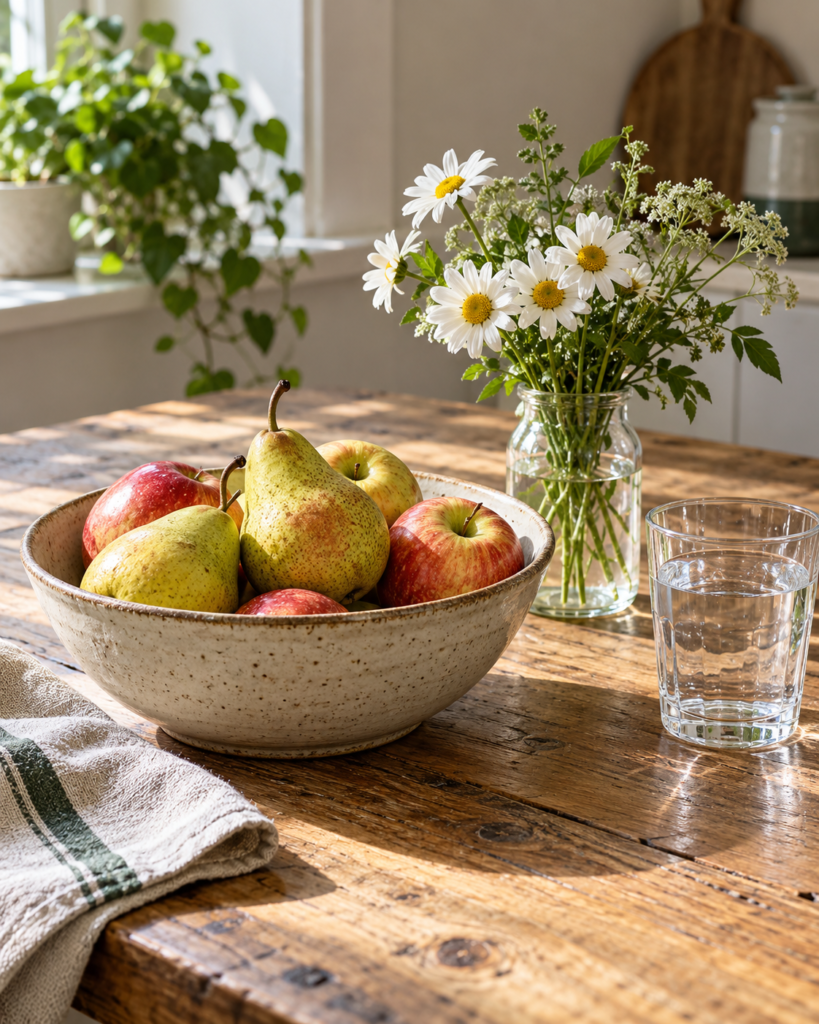
Gratitude begins when we stop focusing only on what is missing and start noticing what is already meaningful in our lives.
When was the last time you stopped and truly appreciated something ordinary?
Not a big achievement. Not an expensive gift. Not a life-changing moment.
Just something simple.
A warm cup of coffee. A conversation with someone you love. A quiet morning. A laugh that came out of nowhere. Or simply making it through a difficult day.
We spend so much of our lives thinking about what’s next that we sometimes forget to appreciate what’s happening right now.
We’re constantly chasing something. A better job, a bigger house, more money, more success, or the next exciting milestone.
And while there’s nothing wrong with wanting more, there’s a difference between building a better life and forgetting to appreciate the life you’re already living.
That’s where gratitude comes in.
What Is Gratitude?
Gratitude is the ability to recognize and appreciate the good things in our lives, whether they’re big, small, expected, or completely unexpected.
It’s more than simply saying “thank you.”
It’s an awareness of what brings value, comfort, meaning, and happiness into our everyday experiences.
Gratitude can be appreciating someone who supports you, recognizing how far you’ve come, or finding a moment of peace during a stressful day.
It doesn’t mean believing that everything in your life is perfect.
It means recognizing that even when life is difficult, there may still be things worth appreciating.
Gratitude isn’t about having everything you want. It’s about learning to recognize the value of what you have.
Why Do We Always Want More?
Think about something you once desperately wanted.
Maybe it was a job, a relationship, a home, a car, or a personal achievement.
You imagined how happy you would feel once you finally had it.
And when you achieved it, you probably felt excited, proud, or relieved.
But what happened after a while?
It became normal.
The thing you once dreamed about slowly became part of your everyday routine.
And before long, you were thinking about the next thing you wanted.
Psychologists sometimes refer to this process as hedonic adaptation, our tendency to adjust to changes in our circumstances.
It’s one reason why achievements and possessions don’t always create lasting happiness.
We become accustomed to what we have.
Gratitude helps us interrupt that pattern by intentionally noticing the things we’ve stopped paying attention to.
Sometimes, the life you’re living today contains things you once hoped and wished for.
The Small Things Are Often the Big Things
Imagine an ordinary evening.
You’re tired from work. The house is messy. Dinner needs to be made. Someone needs your attention. Your phone keeps ringing, and your to-do list feels endless.
It’s easy to focus on everything that’s going wrong.
But within that same evening, there might be something beautiful.
A child laughing in the next room.
Someone asking how your day was.
A meal shared around the table.
The comfort of being home.
None of these moments needs to be extraordinary to be meaningful.
And sometimes, it’s only when something changes or disappears that we realize how valuable those ordinary moments were.
That doesn’t mean we should feel guilty for being tired, frustrated, or overwhelmed.
It simply means that life can be stressful and meaningful at the same time.
You can have a difficult day and still find something within it to appreciate.
How Gratitude Affects Our Minds
Our brains naturally pay attention to potential problems and threats.
This tendency, often called negativity bias, can make negative experiences feel more noticeable than positive ones.
Think about receiving ten compliments and one criticism.
Which one are you more likely to remember?
For many people, it’s the criticism.
Gratitude encourages us to deliberately pay attention to positive and meaningful experiences that might otherwise go unnoticed.
Research suggests that regularly practicing gratitude can support psychological well-being, increase positive emotions, and improve aspects of life satisfaction for some people.
It may also help us feel more connected to others.
However, gratitude isn’t a cure for anxiety, depression, trauma, or life’s difficulties.
It’s one useful practice among many that can support emotional well-being.
What we choose to notice can influence how we experience our everyday lives.
Gratitude Doesn’t Mean Ignoring Your Problems
One of the biggest misunderstandings about gratitude is the belief that being grateful means always being positive.
It doesn’t.
You can be grateful for your family and still feel exhausted by your responsibilities.
You can appreciate your job and still want a better opportunity.
You can love your life and still experience sadness, anger, disappointment, or stress.
Gratitude isn’t pretending everything is wonderful when it isn’t.
And it shouldn’t become a reason to stay in unhealthy situations or ignore problems that need attention.
Real gratitude makes room for both appreciation and honesty.
You can acknowledge what’s difficult while also recognizing what’s good.
Being grateful doesn’t mean you have nothing to complain about. It means your struggles don’t have to erase everything else that matters.
Stop Comparing and Start Appreciating
Comparison can quietly steal our ability to feel satisfied.
We look at other people’s homes, relationships, vacations, careers, and accomplishments.
Suddenly, the things we once appreciated don’t seem quite as impressive.
Someone has a bigger house.
Someone earns more money.
Someone seems happier.
Someone appears to have everything figured out.
But we’re usually comparing our everyday reality to a carefully selected glimpse of someone else’s life.
We don’t see every struggle, disagreement, sacrifice, or disappointment behind the scenes.
Gratitude helps redirect our attention.
Instead of constantly asking, “Why don’t I have what they have?”
We can begin asking, “What do I value about the life I’m creating?”
You can admire someone else’s success without diminishing your own.
And you can work toward bigger dreams while appreciating where you are today.
Gratitude and Relationships
Sometimes, the people we love most are the people we forget to appreciate out loud.
We become so accustomed to their presence that we assume they already know how much they mean to us.
A partner who helps without being asked.
A friend who checks in.
A parent who offers support.
A child who runs to greet you.
A coworker who makes a difficult day easier.
These everyday gestures can become invisible when we’re busy.
But expressing gratitude can strengthen our connections.
A simple “I appreciate what you did” or “I’m really glad you’re in my life” can make someone feel recognized.
And appreciation doesn’t always require a grand gesture.
Sometimes, a few genuine words are enough.
Don’t wait until someone is missing from your life to recognize how much their presence matters.
How to Practice Gratitude Every Day
Gratitude doesn’t require an expensive journal, a complicated routine, or hours of reflection.
You can begin with small, intentional habits.
1. Notice three good things. At the end of the day, think of three things you appreciated. They don’t need to be extraordinary.
2. Say thank you with intention. Instead of rushing through the words, take a moment to genuinely acknowledge someone’s effort.
3. Appreciate ordinary routines. Your morning coffee, a familiar voice, or a peaceful walk can become small reminders of what matters.
4. Recognize your own progress. Gratitude isn’t only about appreciating other people. It’s also about acknowledging your effort, growth, and resilience.
5. Put your phone down occasionally. Give yourself opportunities to experience moments without immediately comparing, documenting, or sharing them.
6. Find appreciation without forcing positivity. On difficult days, it may be enough to appreciate a small comfort or the support of one person.
The goal isn’t to become grateful for every experience.
It’s to become more aware of the good that already exists alongside life’s challenges.
Your One-Minute Growth Moment
Take one minute today and ask yourself:
“What is something in my life today that I once wished I had?”
Think about it.
Maybe it’s a relationship.
Maybe it’s a home.
Maybe it’s a responsibility that once represented a dream.
Maybe it’s the confidence you’ve developed, the challenges you’ve overcome, or the person you’ve become.
Now ask yourself one more question:
“Have I been so busy wanting what’s next that I’ve forgotten to appreciate what’s here?”
You don’t need to change your entire mindset in sixty seconds.
Just notice one thing.
Appreciate it.
And carry that awareness into the rest of your day.
Final Thought: The Beauty of Enough
There’s nothing wrong with ambition.
There’s nothing wrong with wanting a better future, setting goals, or working hard to improve your circumstances.
But if happiness is always waiting for the next achievement, the next purchase, or the next milestone, we risk spending our entire lives chasing a moment that never seems to arrive.
Gratitude reminds us that life isn’t only happening when something extraordinary occurs.
It’s happening in the ordinary mornings, the familiar conversations, the messy kitchens, the unexpected laughter, and the quiet moments we often overlook.
One day, some of the moments we barely notice today may become the memories we treasure most.
So work toward your dreams.
Keep growing.
Keep learning.
Keep wanting better for yourself.
But don’t forget to look around once in a while.
You can want more from life while still being thankful for the life you have.
And sometimes, that simple realization can change the way you see everything.
OMG — One Minute to Grow
One Minute. One Useful Idea. A Little Growth Every Day.
Because growth isn’t always about adding something new to your life. Sometimes, it’s about learning to appreciate what’s already there.